

The international economy is undergoing an important change from the linear model—take, make, dispose—to a round one. In the middle of the move lies the waste trade. This isn't just about moving trash; it is a complicated logistics network managing scrap materials as important commodities. By linking spend machines with processing facilities, that business assures that resources like plastic, metal, and report are reintroduced in to the production period rather than winding up in landfills.
Knowledge how providers, customers, and recycling facilities interact is essential for moving that multi-billion money industry.
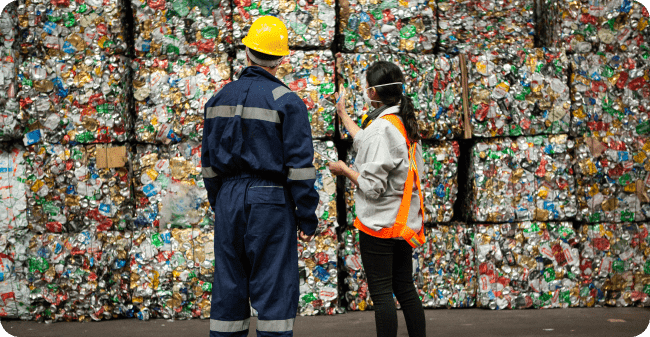
What constitutes the waste trade ecosystem?
The waste deal is most beneficial recognized as another organic materials market. It features similarly to old-fashioned commodities trading but discounts in recovered materials. The ecosystem relies on three specific pillars:
Manufacturers: They're the entities generating waste, ranging from municipal healing centers to large-scale industrial factories producing scrap metal or plastic off-cuts.
Intermediaries and Customers: Traders and brokers often stay in the middle, managing the logistics, quality get a handle on, and cross-border regulatory conformity expected to move materials.
Recycling Services: The end-users who possess the engineering to process scrap back in organic manufacturing feedstock, such as for example pellets or ingots.
How big is the market opportunity?
The degree of the waste trade is immense. Worldwide industry in recyclable organic components involves countless countless tons annually. For example, the demand for recycled plastic is estimated to develop considerably as multinational corporations make to higher recycled content inside their packaging.
From the statistical perspective, the quantity of exchanged scrap material alone accounts for a huge part of the steel and aluminum utilized in new construction. This signifies that spend business isn't a distinct segment environmental energy but a cornerstone of commercial efficiency. The marketplace value is driven by the purchase price big difference between virgin fresh resources and recycled solutions; when virgin substance prices rise, the worthiness of the waste business surges.
Just how do companies and consumers find each other?
Historically, linking a local scrap garden having an global recycling center was an information, relationship-heavy method fraught with inefficiencies. Nowadays, a is digitizing.
Digital marketplaces and trading platforms are getting the typical, letting vendors to list available tonnage with particular degrees and quality photos. Buyers may filtration these entries by product form, area, and contamination levels. This transparency decreases the danger of rejected shipments—a major suffering point in the industry—and assures that recycling features obtain just the sort of feedstock their machinery can handle.

What are the logistical challenges in spend trading?
Taking spend is more complex than shipping completed goods. Products must certanly be effectively classified, baled, and reported to adhere to global rules, including the Basel Convention. An effective business needs demanding adherence to quality standards. If your dealer vessels a pot of plastic containers blended with unrecyclable contaminants, the recycling facility may refuse the whole fill, ultimately causing economic disputes and environmental waste.
The Future of Substance Recovery
The waste industry is growing from a dumping mechanism into a superior source chain. As technology improves, the capability to form and clean products increases, making the connection between vendors and recycling services even more vital. For businesses included, achievement is dependent upon trusted sourcing, clear transactions, and a deep understanding of global material standards.